 Delegare House
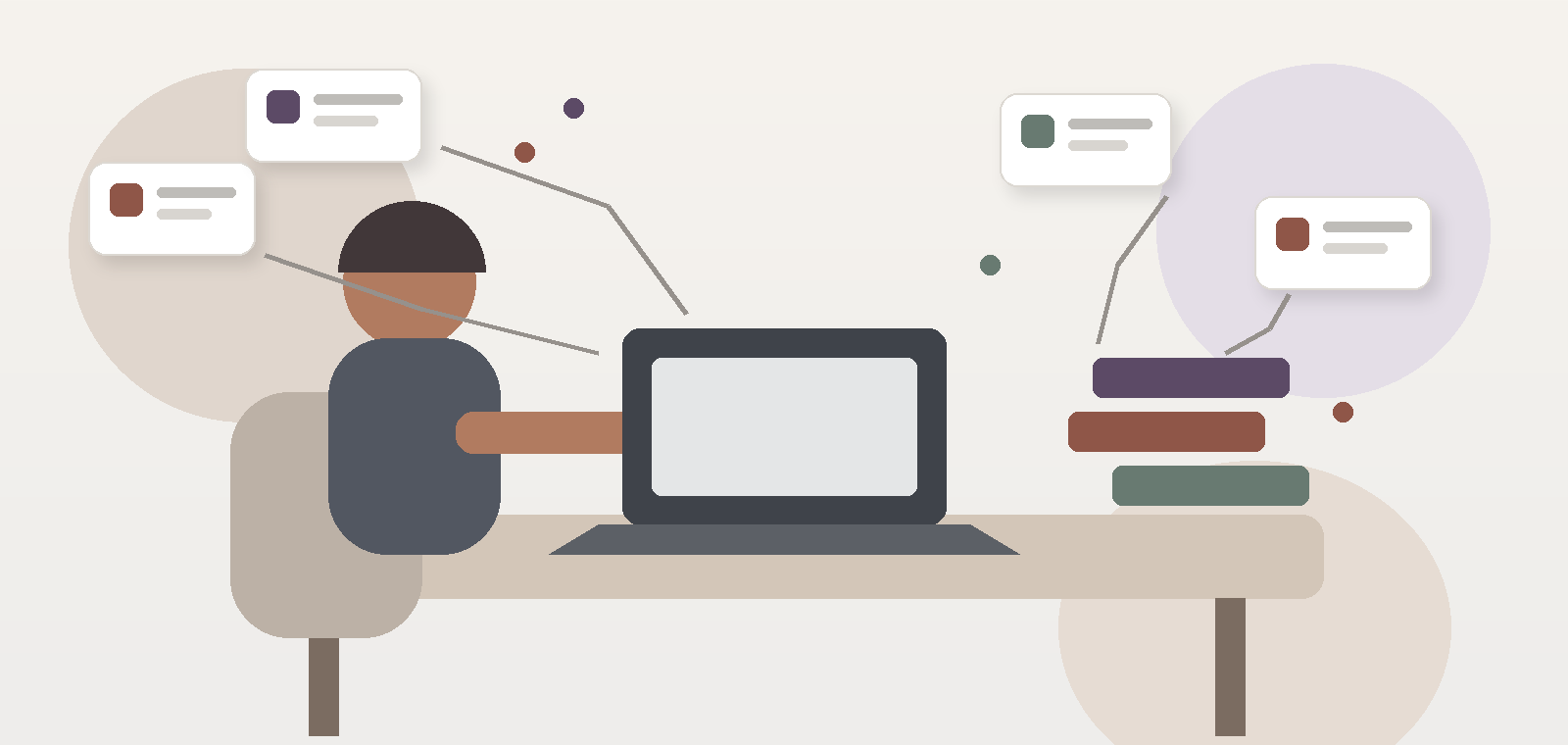
Running a business alone can make self-reliance feel like part of the job description. You answer emails, follow up with leads, update the CRM, troubleshoot customer questions, manage the calendar, and still expect yourself to have energy left for strategy and growth. At Delegare House, we see the same pattern often: capable founders are short on protected attention. That is why solopreneur delegation matters before your workload becomes a crisis. Our practical support for recurring business tasks is built around work that needs to happen consistently without continuing to live in the founder's head.
The hidden cost is rarely one dramatic failure. It is a collection of small losses: an hour clearing an inbox instead of improving an offer, a warm inquiry answered late, or a proposal delayed by administrative work. Together, they create a business that depends on your constant presence rather than your best work.
1. Your attention becomes the bottleneck
Every time you move from client work to email, then from email to scheduling, then to a CRM update, your brain has to reorient. The American Psychological Association's research on the cost of task switching explains that switching between tasks can reduce efficiency and increase errors, especially as tasks become more complex. For a solopreneur, there is no operations department absorbing those interruptions. Short disruptions can consume the part of the day reserved for your highest-value thinking.
Good solopreneur delegation protects concentration by giving repetitive work a reliable destination. This is where virtual operations support becomes more than administrative convenience. When routine updates are handled consistently, you can return to work that requires judgment, creativity, and leadership.
2. Slow responses can become lost revenue
A lead does not know that you were in a client meeting or fixing a fulfillment issue. They only know whether someone responded while their interest was still high. Lead follow-up is especially vulnerable in a one-person business because sales activity competes with delivery work for the same person's time.
Delegare House's monthly support plans for growing businesses give recurring work capacity to keep moving without requiring a full-time hire.
Delayed lead follow-up can also distort your perception of demand because inquiries appear to "go nowhere" when the real issue is inconsistent response time. A clear process helps qualified prospects reach the next step while you stay focused on work only you can do. Solopreneur delegation therefore supports responsiveness, not just workload relief.
3. Customer experience starts reflecting your bandwidth
When every customer question lands with the founder, service quality can rise and fall with the owner's calendar. During a launch or heavy client week, even routine messages may sit unanswered. Consistent customer care support helps keep the customer experience from depending on whether you happen to have an open hour. It also clarifies what can be answered, approved, or escalated.
This is an important shift in solopreneur delegation: you are not giving up responsibility for the customer relationship. You are designing a better way to protect it. Customer care support can cover routine questions, appointment administration, approved FAQs, and escalation.
4. Burnout begins before you call it burnout
Many business owners assume exhaustion is simply the price of building something. But the U.S. Chamber of Commerce's guidance for avoiding entrepreneur burnout specifically highlights delegation and outsourcing as ways founders can reduce chronic overload. The warning signs can look ordinary: inbox dread, irritability over small tasks, and strategic work constantly pushed to "later." A business that consumes all of its owner's capacity loses room to adapt.
Virtual operations support can remove some of that background cognitive load by making sure routine responsibilities do not depend on memory and spare time. Solopreneur delegation separates founder work from work that simply needs a capable owner. Clearer categories make growth less dependent on your personal bandwidth.
5. Your business never becomes operationally stronger
If you are the only person who knows how everything gets done, the business may be functional without actually being organized. Processes stay informal because you can always "just handle it." Bringing in customer care support or operational help forces useful questions: What can be handled independently?
What needs approval? What should be documented? What truly requires the founder?
That structure is valuable even before you plan to build a team. Delegare House's customer care and lead support services are organized around clear scopes, approved messaging, escalation rules, and existing business systems. A stronger handoff creates repeatability and makes growth less fragile. Lead follow-up is also easier to measure when it is a defined process.
6. "Saving money" can be surprisingly expensive
Doing a low-value task yourself does not save money if it displaces an hour that could have generated far more value. The same applies to tasks that drain the energy needed for client delivery, sales, or decision- making. Harvard Business Review's piece on why leaders cannot do everything alone reinforces a simple point: trying to personally control every task can become its own source of inefficiency. Solopreneur delegation works best when you evaluate tasks by the value of your attention, not only by whether you are technically capable of completing them.
Virtual operations support can also be a better first step than immediately hiring another employee. A solopreneur may need recurring capacity, not another full-time role. Customer care support and lead follow-up can flex around the pressure points already showing up, giving the business breathing room without unnecessary headcount.
The real goal is to own the right work
Some parts of your business should stay close to you: vision, key decisions, relationships, specialized expertise, and the work customers hire you to provide. Everything else deserves a more deliberate question: does this require me, or has it simply always been mine? Strong solopreneur delegation starts there. Once recurring work can move without you, the business stops using your attention as its default operating system.
If your inbox, customer requests, CRM updates, recurring admin, or lead follow-up are beginning to dictate your week, you do not need to wait until you are completely overwhelmed to change the pattern.
Delegare House can help define the boundaries, establish the handoff, and keep the work moving with less founder intervention. Complete your Delegare House handoff today and tell us what you would be genuinely relieved to stop managing yourself.
Sources & further reading
- research on the cost of task switching — apa.org
- guidance for avoiding entrepreneur burnout — uschamber.com
- why leaders cannot do everything alone — hbr.org
Ready to make the backend lighter?
Tell Delegare House what keeps finding its way back to you, what can move independently, and what should always be escalated.
Start The Handoff →Explore Services